

Yacht Charter Step by Step: How the Process Works
A yacht charter begins with a clear idea of the type of vacation you want: a relaxing sailing trip with the family, an active adventure with friends, or a luxurious week on a motor yacht? Deciding early what kind of experience you want to have on board helps you find the right boat more quickly and avoid unnecessary additional costs. Following a structured yacht charter booking process step by step makes planning much easier.
At Scan2Sail, sailing yachts, catamarans, motor yachts, gulets, and luxury yachts are available in Croatia, Greece, Spain, Turkey, the Caribbean, and other sailing destinations. The process can be divided into several simple steps.
1. Choose Your Destination, Travel Dates, and Crew
First, determine your destination, travel period, and number of guests. These factors directly influence which yachts are available and how much the charter will cost.
One week is the classic charter period for many crews, but short charters lasting only a few days can also make sense. Especially outside the high season, flexible bookings are often easier to arrange. If you have some flexibility regarding your dates or departure port, you will generally have a larger selection and access to more attractive offers.
The composition of the crew is also important. Families often need more cabins and sufficient space on board. Groups of friends, on the other hand, may prioritize generous seating areas, water sports equipment, or a route featuring lively destinations and beautiful bays.
2. Choose the Right Yacht
The next step is selecting the right vessel. This is not simply about size and price, but also about the style of vacation you want. Comparing different yacht types in detail helps you understand their respective advantages.
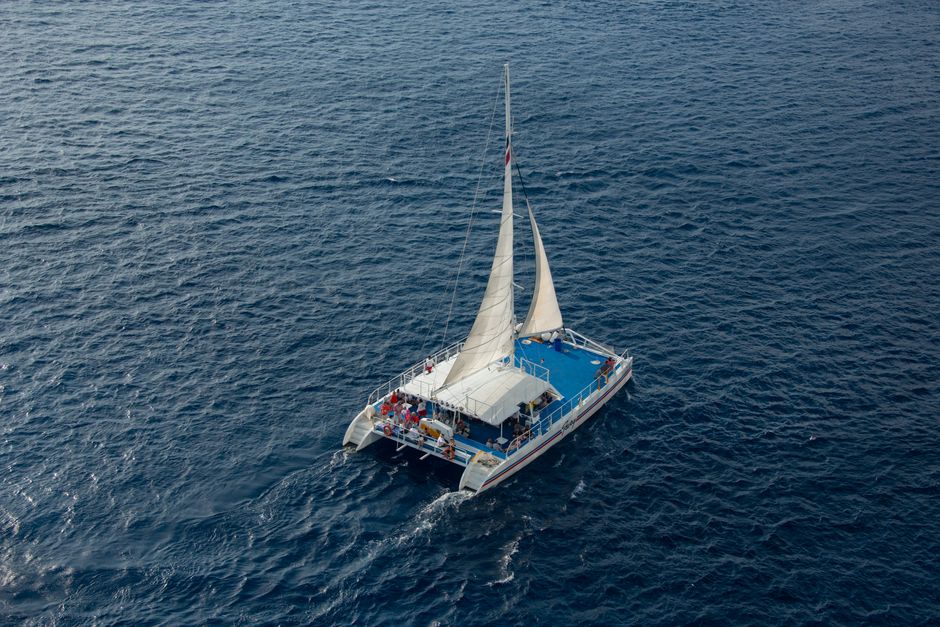
A sailing yacht is ideal for travelers who enjoy wind, sails, and an active experience in nature. A catamaran generally offers plenty of space, stable handling, and separate cabin areas. Motorboats or motor yachts are suitable for those who prioritize comfort and covering longer distances quickly. Gulets combine generous space with a relaxed, traditional travel experience.
For every yacht, you should check the following:
- Number and layout of cabins
- Number of berths and bathrooms
- Year of construction, equipment, and condition of the boat
- Departure port and possible one-way routes
- Available extras such as air conditioning, dinghy, or water sports equipment
- Security deposit, insurance, and possible additional services
The lowest price is not always the best choice. What matters is whether the yacht suits your planned route, crew, and desired level of comfort.
3. Charter With or Without a Skipper
One of the key questions when chartering a yacht is: Who will be responsible for the vessel? Anyone with a valid sailing qualification and experience in the relevant sailing area can charter many boats without professional assistance.
For beginners, mixed-experience groups, or those looking for a relaxing vacation, however, a skippered yacht charter is often the better option. The skipper is not only the captain but often also knows safe anchorages, suitable harbors, and local regulations. This leaves more time for swimming, dining, exploring, and enjoying time together on board.
Depending on the yacht and travel preferences, an additional crew can also be booked. On larger or luxury yachts, for example, hostesses, chefs, or deckhands may be part of the crew. This option is particularly suitable for guests who want their vacation to be as comfortable and personalized as possible.
4. Review the Offer and Confirm the Booking
Once the yacht has been selected, the actual booking follows. The offer normally includes information about the yacht, charter period, port, and costs. It is important to distinguish carefully between the charter price and additional expenses.
Possible additional costs include:
- Final cleaning and service fees
- Transit log or harbor fees
- Skipper or additional crew members
- Fuel for motorboats
- Food and drinks on board
- Security deposit or deposit insurance
- Tourist taxes and mooring fees
After confirmation, a deposit is usually required. The remaining balance is paid before the trip within the agreed deadline. Those traveling at short notice may find attractive prices through last-minute offers, but should remain flexible regarding both the route and yacht model.
5. Plan Your Route and Extras
Once the booking is confirmed, the individual planning begins. A good route takes into account not only distances, but also weather, wind, mooring options, and the preferences of everyone on board.
For a sailing vacation in Croatia, you can combine quiet bays, historic island towns, and regional restaurants. In Greece, shorter passages between islands are often the focus, while the Caribbean is ideal for warm-water sailing and relaxed island hopping.
Additional options can make the trip more personal. These may include stand-up paddleboards, snorkeling equipment, an onboard chef, or special experiences such as gastro-sailing featuring regional specialties. Programs that combine sailing with sports activities can also provide variety for active crews.
6. Check-In, Handover, and Briefing
On the first day, check-in takes place at the harbor. The crew and charter company inspect the yacht together. Any damage, technical details, inventory, and safety equipment are documented.
With a bareboat charter, the captain and crew receive a detailed briefing. This includes the engine, navigation systems, sails, electrical systems, freshwater supply, toilets, radio, and the most important onboard procedures. Those traveling with a skipper will primarily discuss the route, daily schedule, and personal preferences.
The security deposit is usually provided before departure and returned after the yacht is handed back, provided there is no damage.
7. Travel Safely and Sustainably
During the trip, safety and respect for the environment take priority. Weather forecasts should be checked daily, local regulations followed, and anchorages selected carefully. Waste should never be thrown into the sea, while water and electricity should be used responsibly on board.
On the final day, the yacht is returned to the agreed port. After the final inspection, the charter concludes with the settlement of any additional costs — and, often, with plenty of memories from unforgettable days on the water.