
Gastro Sailing
Gastro Sailing in Croatia: A Yacht Charter Holiday for Travellers Who Taste the Coast
Gastro sailing in Croatia is one of the most rewarding ways to discover the Adriatic. It combines the freedom of a yacht charter holiday with the pleasure of local food, island wines, family-run taverns and seaside restaurants that are best reached by boat. Instead of treating dining as an evening detail, a gastro sailing itinerary places cuisine at the heart of the journey, connecting each bay, village and marina with the flavours that define the Croatian coast.
Croatia is especially suited to this style of travel because its gastronomy is deeply regional. A short sailing distance can take you from grilled fish and shellfish in a quiet island bay to slow-cooked lamb on Murter, handmade pasta in a stone village, Hvar wines served beside lavender fields, or oysters and seafood in southern Dalmatia. The experience is not only about restaurants. It is about markets in the morning, olive oil tastings in small family estates, anchoring near a konoba with its own mooring, and ending the day with a meal that feels connected to the sea around you.
Why Croatia Is Perfect for Gastro Sailing
The Croatian Adriatic offers a rare combination of short sailing distances, protected island channels and a strong culinary identity. This makes it possible to design a route that is both comfortable and rich in experience. Guests can sail for a few hours, swim in clear bays, arrive in time for a relaxed dinner and still feel that each day has its own distinct character.
Dalmatia is the classic choice for gastro sailing because it brings together many of Croatia’s strongest nautical and culinary highlights. From the Šibenik and Murter area, sailors can reach Kornati, Žirje, Prvić, Zlarin and the central Dalmatian islands. From Split, Trogir or Kaštela, routes open towards Šolta, Brač, Hvar, Vis and the Pakleni Islands. Further south, Dubrovnik and the Elaphiti Islands offer a refined sailing atmosphere with excellent seafood, island wines and historic settings.
For travellers who want a more private and authentic experience, the true charm often lies outside the busiest harbours. Many of the best meals are found in bays where the menu depends on the morning’s catch, the family garden and what is slowly roasting under the peka. This is where gastro sailing becomes different from a standard holiday. The yacht is not just accommodation; it is the key to reaching places where food, landscape and local hospitality still belong together.
The Adriatic Through Its Flavours
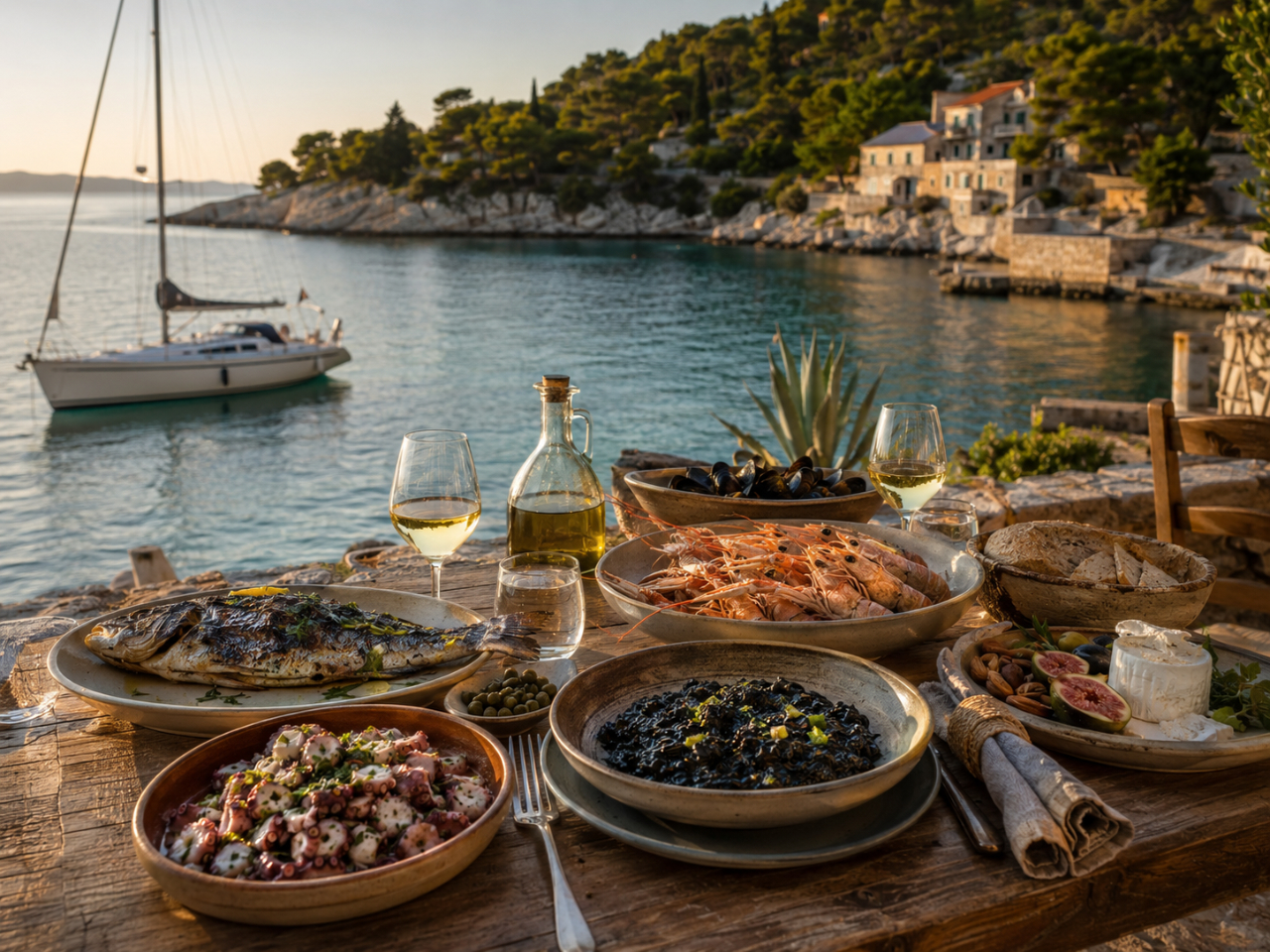
Bathed in golden Adriatic light, this waterfront konoba captures Croatia at its most sensual setting
A well-designed gastro sailing route should never feel like a list of restaurant reservations. It should follow the rhythm of the coast. The day may begin with coffee in an old town, continue with swimming in a quiet bay, and end in a waterfront konoba where the table is simple but the ingredients are exceptional. Fresh fish, octopus salad, black risotto, scampi, cuttlefish, mussels, lamb, goat cheese, figs, almonds, capers and local olive oil all appear naturally along the way.
One of the most memorable gastro sailing areas is the route between the Šibenik region and the islands of central Dalmatia. From Murter, a yacht can reach traditional taverns on nearby islands such as Zminjak, continue towards Šolta and its sheltered bays, then sail further to the Pakleni Islands, Hvar and Stari Grad. This combination gives the journey a strong culinary range: rustic Dalmatian cooking, elegant beachside dining, family farms, island wines and UNESCO-listed towns with atmospheric old streets.
Hvar deserves special attention on any Croatian gastro itinerary. Beyond its reputation for nightlife and glamour, the island has a serious food and wine culture. Stari Grad Plain, ancient agricultural fields, small producers and inland villages reveal a quieter side of Hvar, where meals often feel more personal than polished. A dinner at a family estate or a carefully chosen tavern can be just as memorable as an evening in Hvar town itself.
Choosing the Right Yacht for a Gastro Sailing Holiday
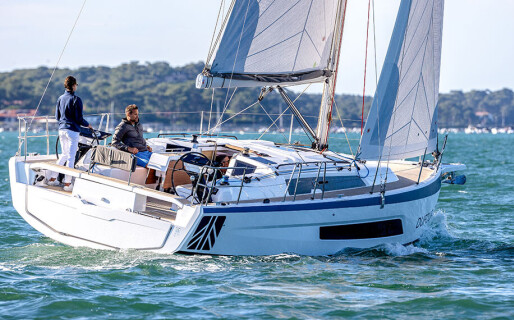
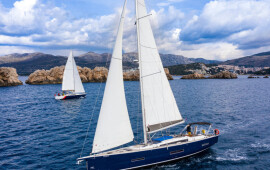
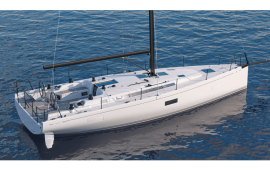
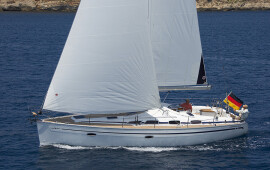
The right yacht depends on the style of travel, the size of the crew and the level of comfort expected on board. A sailing yacht is ideal for guests who enjoy the traditional feeling of moving with the wind and want a close connection to the sea. A smaller sailing boat can be a good choice for couples, families or friends who prefer a relaxed itinerary and appreciate simple, authentic cruising.
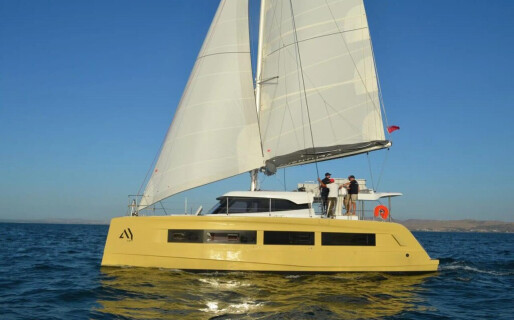
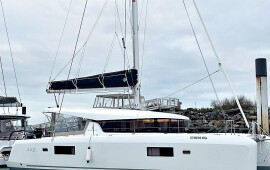
For more space, stability and comfort, a catamaran charter is often the preferred option for gastro sailing in Croatia. Catamarans offer generous outdoor areas, comfortable cabins and easy access to the sea, making them excellent for guests who want long lunches on board, quiet anchorages and a smooth cruising experience between culinary stops. A motorboat charter suits travellers who want to cover more distance in a shorter time, especially when combining several island groups or reaching specific restaurants and bays efficiently.
Guests looking for speed, space and modern comfort may also consider a power catamaran charter. This option is particularly attractive for those who want the living space of a catamaran with the ability to move faster between destinations. For experienced sailors, a bareboat yacht charter offers full independence and the pleasure of shaping each day according to weather, mood and restaurant availability. Those who prefer local insight and stress-free navigation will usually get more from a skippered yacht charter, especially when the skipper knows the best bays, moorings and dining stops. For the highest level of comfort, a crewed yacht charter adds a more refined dimension, with professional service and the possibility of combining restaurant visits with private meals on board.
What Makes a Good Gastro Sailing Route?
A strong gastro sailing itinerary balances sailing time, anchorage quality, local atmosphere and dining variety. It should not send guests from one famous island to another without considering how the day actually feels on board. The best routes allow time for swimming, unhurried arrivals and evenings that begin before sunset.
- A good route includes both known culinary destinations and quieter local taverns.
- Sailing legs should be realistic, with flexibility for wind and sea conditions.
- Restaurant choices should match the crew’s expectations, from rustic konobas to refined waterfront dining.
- The itinerary should include local experiences such as wine tasting, olive oil, markets or family farms where possible.
- Overnight stops should be chosen for atmosphere, safety and access to quality food.
This is why local planning matters. A restaurant may look attractive online, but its mooring situation, wind exposure, seasonal opening times and suitability for a particular yacht can make a major difference. Gastro sailing works best when the itinerary is designed by people who understand both charter logistics and the culinary map of the coast.
From Rustic Konobas to Refined Island Dining
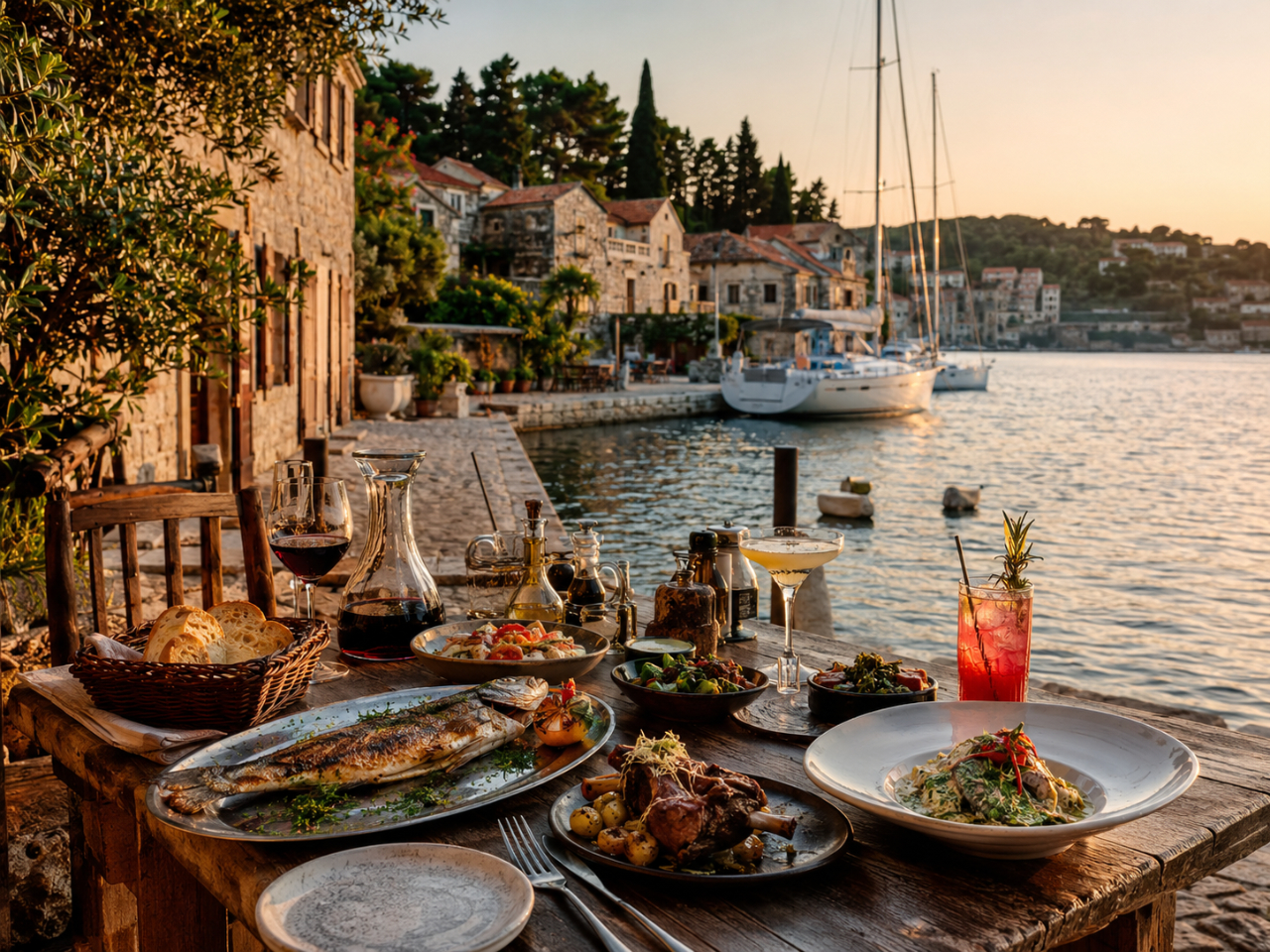
From rustic waterfront konobas to polished island dining, Croatia’s gastro sailing scene invites guests to savour grilled fish, local wine and refined Adriatic flavours against a golden-hour backdrop of stone villages, calm bays and anchored yachts.
Croatia’s coastal cuisine has two sides that complement each other beautifully. The first is rustic and traditional: grilled fish, lamb under the bell, homemade bread, garden vegetables, local wine served without ceremony, and family taverns where recipes are shaped by place rather than trend. The second is more contemporary, especially in destinations such as Hvar, Split, Dubrovnik, Korčula and selected marinas, where chefs reinterpret Adriatic ingredients with a lighter, more polished style.
A gastro sailing holiday can include both. One evening may be spent in a quiet bay with a simple table just steps from the sea. The next may bring cocktails in the Pakleni Islands, dinner in Hvar town or a wine-focused meal in Stari Grad. The contrast is part of the appeal. Guests are not limited to one type of dining experience; the yacht makes it possible to move between moods, landscapes and culinary traditions without changing hotels or repacking luggage.
In Zadar region, the Kornati and Šibenik archipelago offer a wilder culinary setting, where seafood restaurants often feel inseparable from their bays. In Split region, Šolta, Brač, Hvar and Vis provide a strong mix of island identity, excellent produce and beautiful sailing conditions. In Dubrovnik region, Korčula, Mljet, Pelješac and Dubrovnik bring wine, oysters, historic towns and a slower Mediterranean elegance.
Gastro Sailing for Couples, Families and Private Groups
Gastro sailing is not only for serious food lovers. It suits a wide range of guests because it gives structure to the journey without making the holiday feel scheduled. Couples may prefer a romantic itinerary with boutique restaurants, quiet anchorages and wine tastings. Families often enjoy shorter sailing days, swimming stops and relaxed taverns where children can move easily between the table and the waterfront. Groups of friends may choose a livelier route with beach bars, island towns and restaurants known for atmosphere as much as cuisine.
The key is personalisation. Some guests want the best seafood restaurants in each sailing region. Others prefer hidden konobas, organic farms, wine cellars, local markets or places with their own mooring buoys. A thoughtful yacht charter agency can adapt the route to the crew’s taste, budget, sailing experience and comfort level. This turns gastro sailing from a general theme into a tailored Adriatic holiday.
Practical Advice for Planning a Gastro Sailing Holiday in Croatia
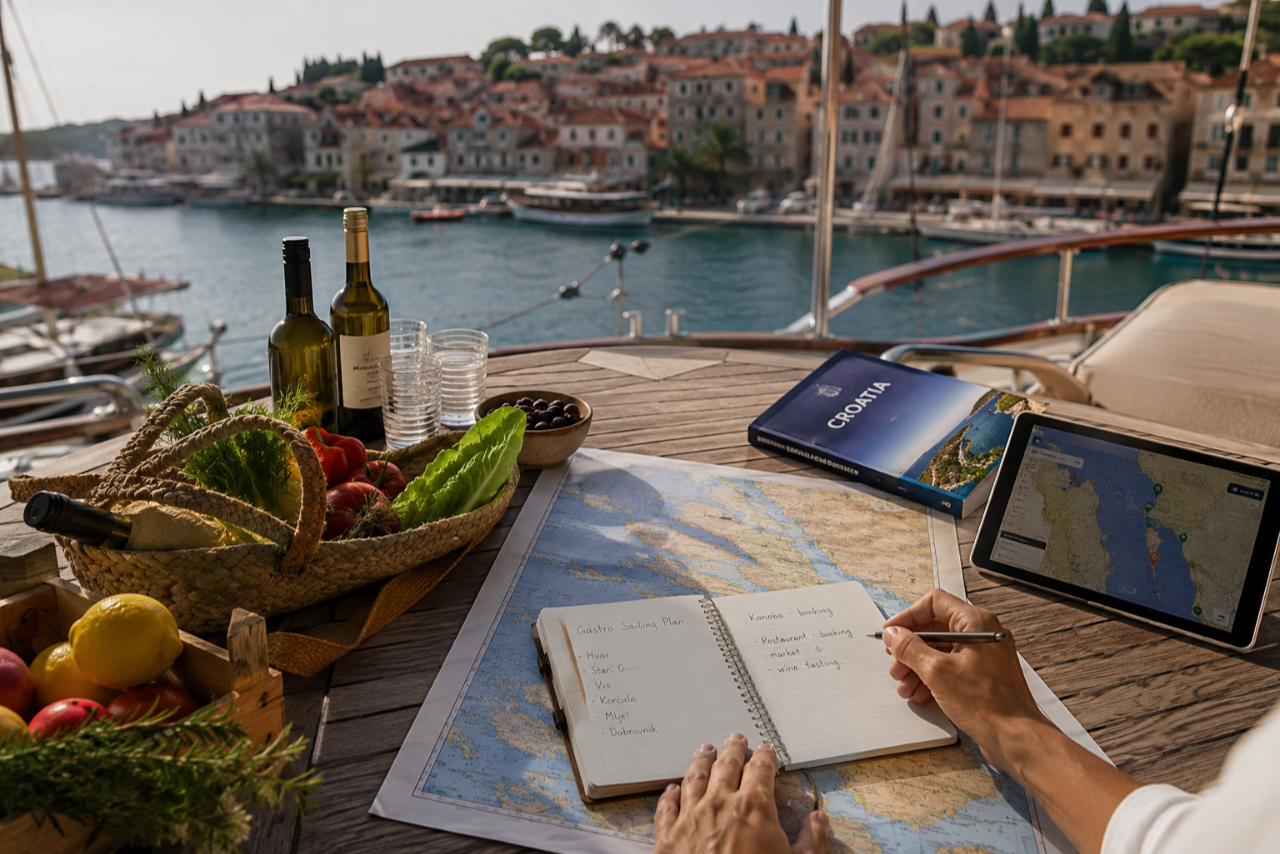
A thoughtful gastro sailing holiday in Croatia begins with flexible route planning, local restaurant reservations and market-fresh provisions, all set against the timeless beauty of an Adriatic harbour.
The main sailing season in Croatia runs from spring to autumn, with July and August bringing the warmest weather and busiest restaurants. For travellers focused on gastronomy, June and September are especially attractive. The sea is inviting, the atmosphere is more relaxed, and reservations are often easier to manage than in peak summer.
Restaurant bookings are important, especially for well-known island taverns and bay restaurants with limited berths or buoys. Weather also plays a role. A planned dinner in an exposed bay may need to be replaced by a safer harbour if wind conditions change. This is another reason why a flexible route and good local support are essential.
Guests should also consider provisioning carefully. Even on a restaurant-focused itinerary, breakfast, snacks, fruit, drinks and simple lunches on board add comfort to the holiday. Local markets are part of the experience, especially in towns such as Split, Trogir, Šibenik, Zadar and Dubrovnik. Buying seasonal produce before departure gives the first days on board a more authentic flavour.
Where to Sail for the Best Croatian Food Experiences
Each Croatian sailing region has its own gastro personality. The Šibenik and Murter area is ideal for guests who want access to Kornati, traditional taverns and a strong nautical atmosphere. Split and Trogir are excellent starting points for routes towards Šolta, Brač, Hvar, Vis and the Pakleni Islands. Zadar and Biograd are practical bases for Dugi Otok, Kornati and the northern Dalmatian islands, where the scenery is more rugged and the dining often beautifully simple.
Dubrovnik offers a more elegant southern route, particularly for guests interested in the Elaphiti Islands, Mljet, Korčula and Pelješac. This area is especially appealing for wine lovers, seafood enthusiasts and travellers who want to combine sailing with historic towns. Istria and Kvarner, although different from Dalmatia, also have strong culinary identities, with truffles, olive oil, seafood, scampi and excellent wines shaping a more northern Adriatic experience.
Choosing the right region depends on the desired balance between sailing distance, restaurant style, nightlife, nature and cultural stops. A short luxury escape may work best around Split and Hvar, while a slower, more nature-focused gastro route may be better suited to Kornati or Mljet. For guests who want a little of everything, Central Dalmatia remains one of the most versatile choices.
A Tailor-Made Way to Experience the Adriatic
The finest gastro sailing holidays are not copied from a fixed itinerary. They are built around the crew. One group may dream of a week of seafood restaurants and wine pairings, while another may prefer casual taverns, swimming bays and a few special dinners ashore. Some guests want to sail actively every day; others want the yacht to be a floating villa with beautiful food experiences nearby.
This flexibility is what makes Croatia such a compelling yacht charter destination. The coastline is varied enough to support many styles of travel, yet compact enough to make each week feel complete. With the right yacht, the right route and the right local recommendations, a gastro sailing holiday becomes a deeper way to understand the Adriatic: through its islands, its people, its harbours and its food.
Croatia Is Made for Gastro Sailing
Gastro sailing in Croatia brings together the best elements of a nautical holiday: freedom, privacy, coastal scenery and unforgettable meals in places that often feel accessible only from the sea. It is a refined but relaxed way to travel, ideal for guests who want more than a standard island-hopping route and who value authentic experiences as much as comfort on board.
Whether the journey begins in Šibenik, Split, Trogir, Biograd, Zadar or Dubrovnik, the Adriatic offers endless possibilities for a yacht charter holiday shaped by flavour. From rustic island konobas and family farms to Hvar dining, Kornati seafood, Dalmatian wines and peaceful anchorages, Croatia turns every sailing day into a story worth tasting.