
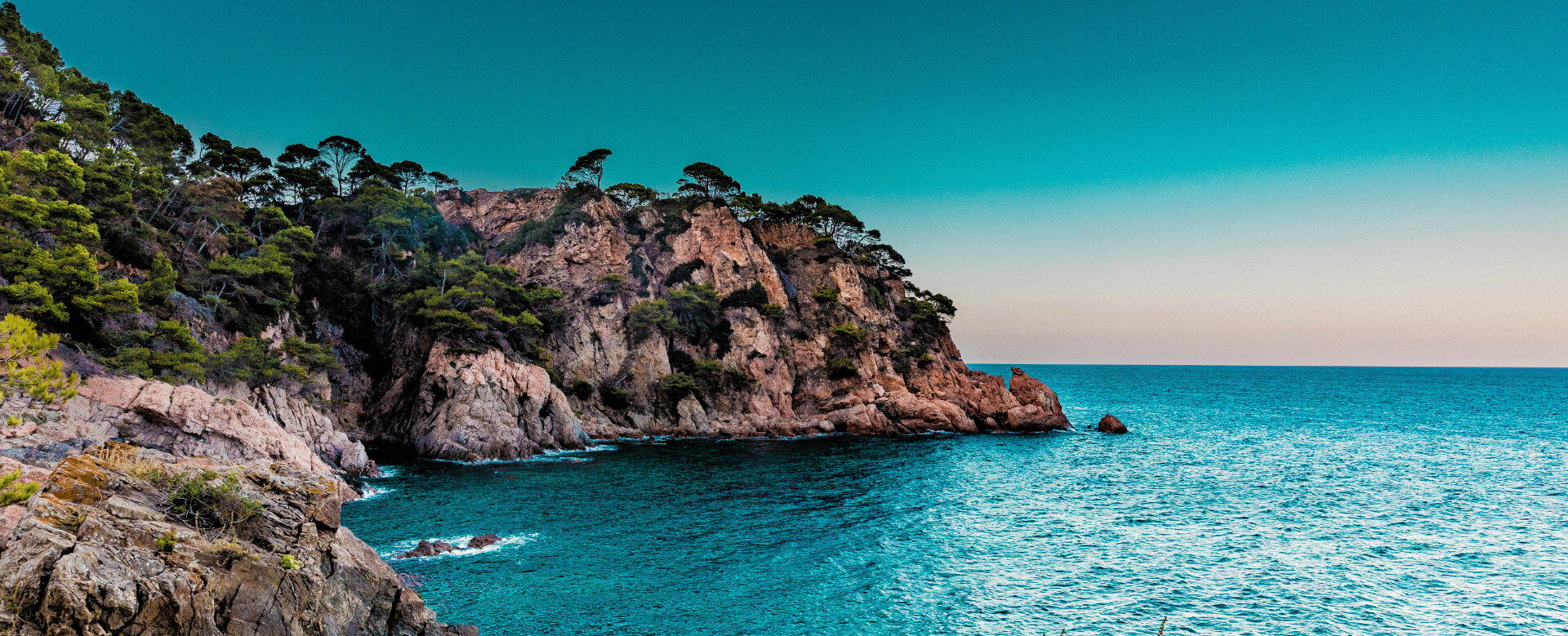
Yacht Charter Spain: A Complete Guide to Sailing in Spain
A Yacht Charter Spain holiday opens the door to one of Europe’s most diverse sailing destinations, where Mediterranean islands, historic coastal cities, Atlantic trade winds, Moorish heritage, fishing villages, and refined beach culture meet in one country. Sailing in Spain can mean anchoring beneath limestone cliffs in Mallorca, crossing between Ibiza and Formentera, exploring Catalonia’s rugged Costa Brava, following the warm Costa Blanca, cruising Andalusia’s southern coast, or discovering the volcanic drama of the Canary Islands.
Spain rewards every type of yacht charter guest. Families often appreciate the space and comfort of a catamaran charter in the Balearic Islands, experienced sailors may prefer a classic sailing yacht for longer coastal passages, while travellers with limited time can explore more distance with a motorboat charter or power catamaran charter. For guests who want freedom, a bareboat yacht charter offers independence, while a skippered yacht charter or crewed yacht charter brings local knowledge, comfort, and a more relaxed rhythm.
The main Mediterranean sailing season runs from May to October, with July and August bringing hot weather, warm seas, and the busiest marina atmosphere. June and September are especially attractive for yacht charter holidays, with temperatures often between 25°C and 31°C, reliable sunshine, and more comfortable conditions in popular ports. In the Canary Islands, sailing is possible throughout the year thanks to mild temperatures and regular Atlantic trade winds.
Balearic Islands: Mallorca, Menorca, Ibiza, and Formentera
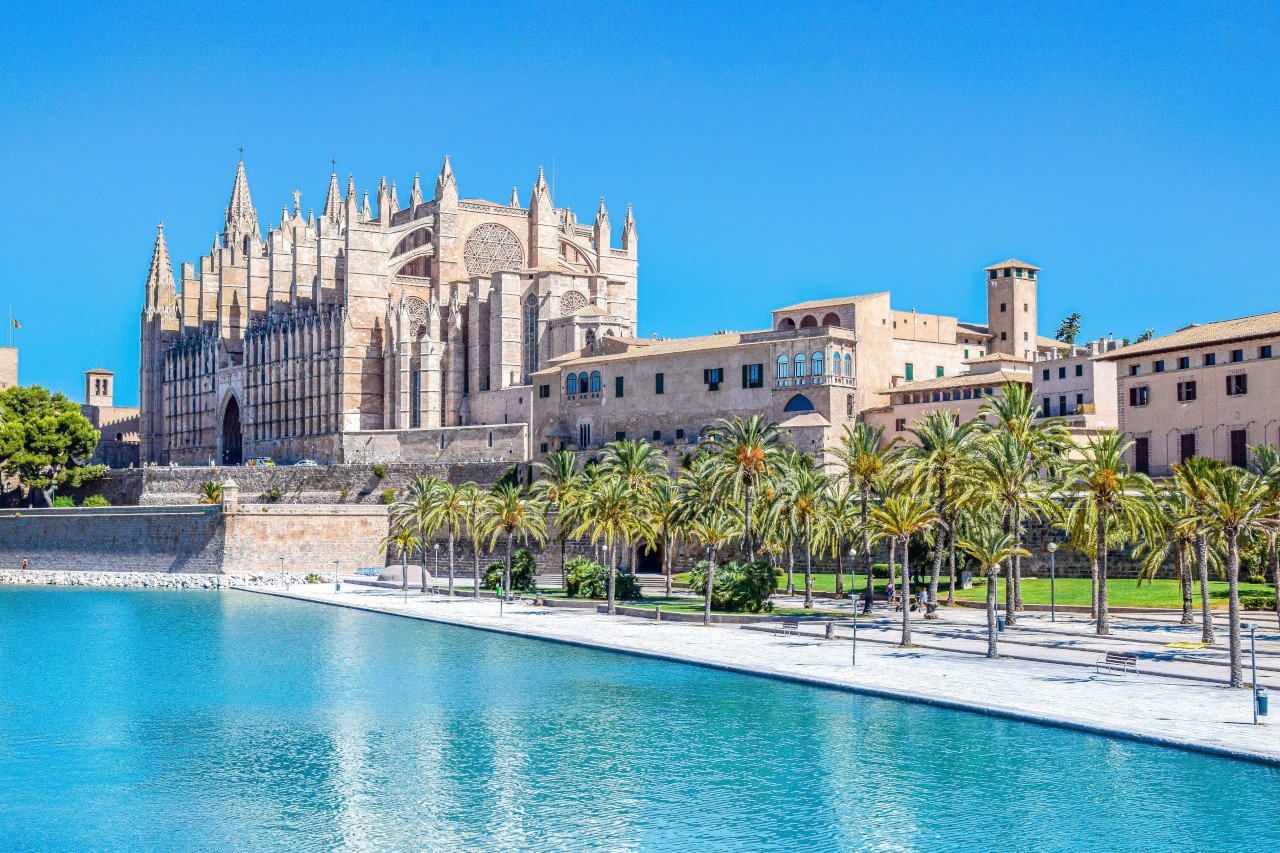
Discover the Balearic Islands by yacht and sail between Mallorca, Menorca, Ibiza, and Formentera, where crystal-clear anchorages, historic harbour towns, and relaxed island culture create one of Spain’s most unforgettable sailing experiences.
The Balearic Islands are the heart of sailing in Spain and the most established region for a Yacht Charter Spain itinerary. Lying east of the mainland in the western Mediterranean, the archipelago combines dramatic mountain coastlines, pine-covered coves, white-sand beaches, elegant marinas, and lively old towns. The islands have been shaped by Phoenician traders, Romans, Moors, Catalan culture, fishing communities, and modern Mediterranean resort life, creating a rich maritime identity.
Mallorca is the largest and most versatile island, with Palma as the main charter base and one of the finest nautical hubs in the Mediterranean. Palma’s cathedral, old town, restaurants, and marina facilities make it an excellent starting point. From there, sailors can explore Port d’Andratx, Sóller, Deià, Cala Deià, Port de Pollença, Alcúdia, Cabrera National Park, Es Trenc, Cala Mondragó, and the calas of the south-east. The Serra de Tramuntana gives Mallorca’s north-west coast a powerful landscape of cliffs, stone villages, and deep water close to shore.
Menorca is quieter, greener, and more understated. Mahón has one of the largest natural harbours in the Mediterranean, while Ciutadella offers a beautiful historic centre and a compact old port. Cala Macarella, Cala Mitjana, Cala Pregonda, Fornells, and the island’s northern bays are highlights for guests who value clear water and a slower pace. Menorca’s archaeological talayotic sites add cultural depth, while its protected landscapes make it especially attractive for crews seeking a more natural sailing holiday.
Ibiza and Formentera bring a different rhythm. Ibiza is famous for nightlife, but from the water it reveals quiet coves, pine forests, beach clubs, and UNESCO-listed Dalt Vila above Ibiza Town. Cala Comte, Cala d’Hort, Es Vedrà, Santa Eulària, and Portinatx are favourite stops. Formentera, reached across a short but exposed passage, is known for Ses Illetes, turquoise shallows, La Savina, and an easy barefoot elegance. A catamaran charter is especially popular here because shallow anchorages, swimming platforms, and generous deck space suit the island lifestyle.
Balearic sailing conditions are generally friendly in summer, with light to moderate sea breezes and temperatures between 25°C and 32°C. The Tramontana can affect Menorca and northern Mallorca, while the Mistral and easterly Levante may influence open passages. Cabrera and other protected areas require permits, and marina reservations are essential in high season. Food is a major pleasure: try sobrasada, tumbet, ensaimada, caldereta de langosta in Menorca, bullit de peix in Ibiza, and local wines from Binissalem or Pla i Llevant. In Palma, Santa Catalina is excellent for dining, while Ca’s Patró March near Cala Deià, Es Molí de Sal in Formentera, and traditional cellers across Mallorca offer memorable gastronomic stops.
Costa Brava and Catalonia
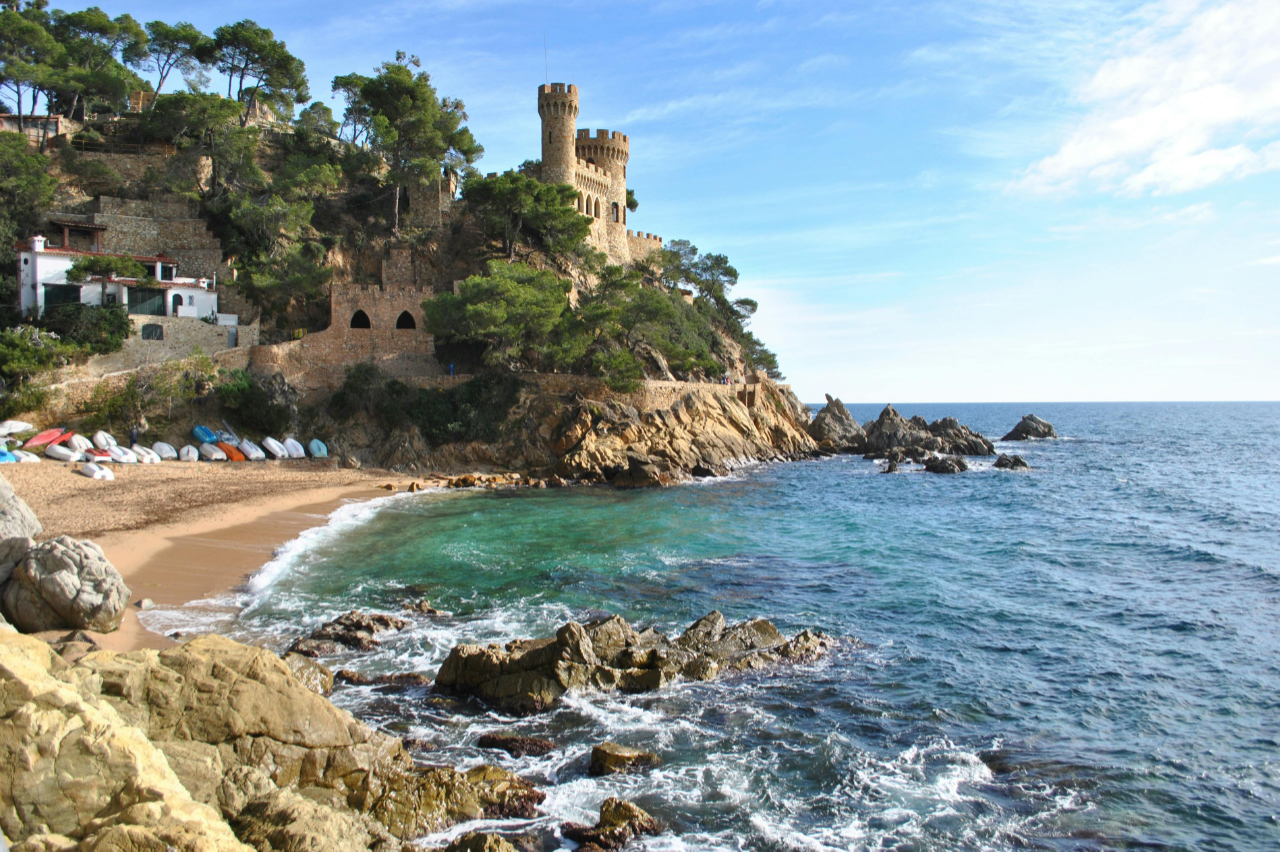
Explore the Costa Brava by yacht and discover Catalonia’s wild coastline, where medieval seaside towns, secluded coves, fresh seafood, and dramatic headlands create a distinctive sailing experience in Spain.
The Costa Brava stretches north of Barcelona towards the French border, forming one of Spain’s most scenic mainland sailing regions. Its name means “wild coast”, and the landscape lives up to it: rocky headlands, pine forests, medieval villages, small beaches, and clear coves. Historically, this coast has seen Greek and Roman settlement, medieval trade, Catalan seafaring traditions, and the artistic legacy of Salvador Dalí around Cadaqués and Portlligat.
Charter guests can begin from Barcelona, Port Ginesta, Blanes, Palamós, L’Estartit, Roses, or Empuriabrava. The most rewarding stops include Tossa de Mar, Sant Feliu de Guíxols, Tamariu, Llafranc, Calella de Palafrugell, Begur, Cadaqués, and the Cap de Creus Natural Park. The Medes Islands near L’Estartit are especially valued for marine life and diving, while Cadaqués remains one of the most atmospheric harbours on the Spanish Mediterranean. Barcelona adds a cultural city break before or after a sailing itinerary, with Gaudí architecture, markets, museums, and excellent marina access.
Sailing conditions on the Costa Brava can be more dynamic than in some southern Mediterranean regions. Summer temperatures usually range from 24°C to 30°C, with thermal winds building in the afternoon. The Tramuntana from the north can be strong, especially around Cap de Creus, where sea state can change quickly. This makes local forecast awareness important, particularly for a bareboat yacht charter. The region’s food is outstanding: suquet de peix, anchovies from L’Escala, rice dishes, prawns from Palamós, and wines from Empordà. El Celler de Can Roca in Girona is a world-famous culinary reference, while waterfront restaurants in Llafranc, Palamós, and Cadaqués bring the region’s seafood culture directly into a yacht charter itinerary.
Valencia, Costa Blanca, and the Eastern Mainland Coast
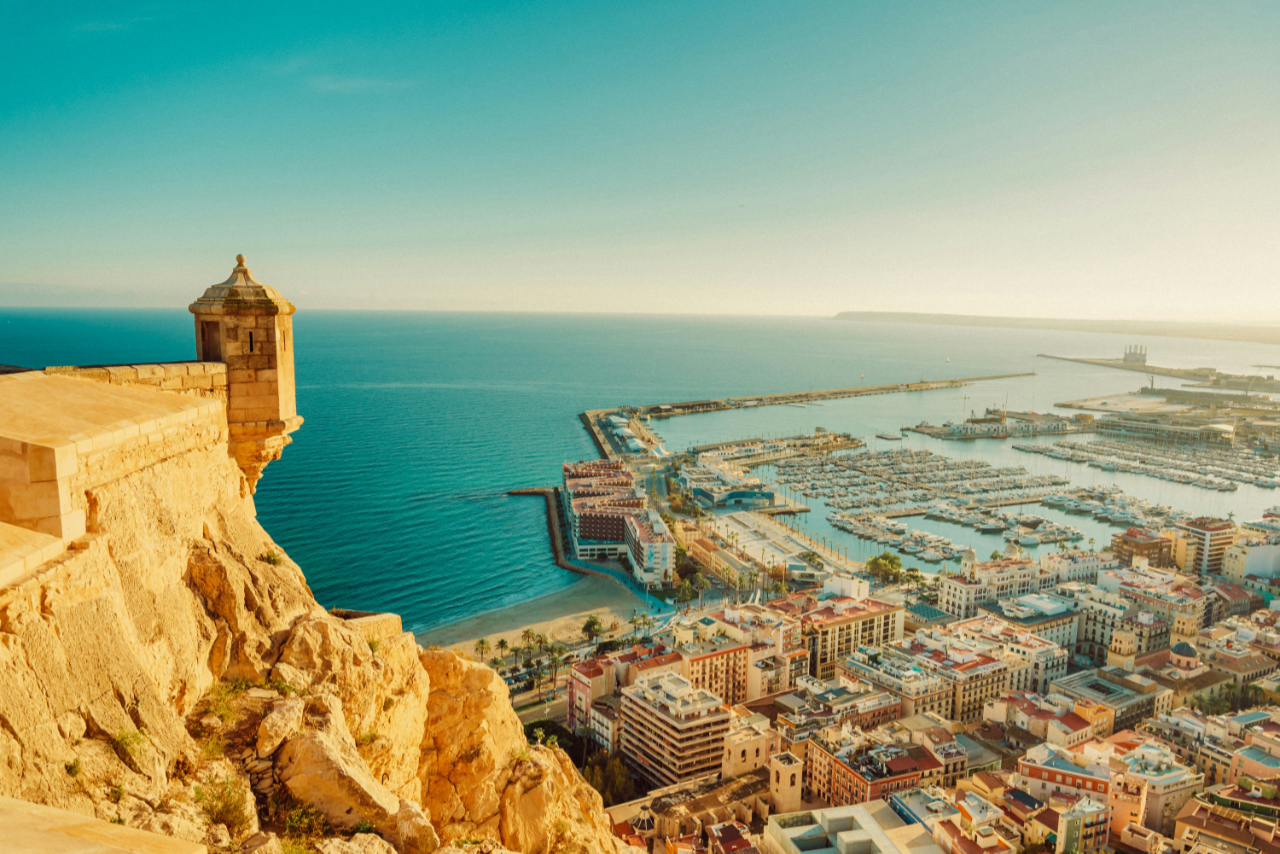
Discover Alicante by yacht and sail along the Costa Blanca, where warm Mediterranean waters, lively marina towns, scenic coves, and rich Spanish coastal culture create a relaxed and rewarding sailing experience.
The eastern mainland coast between Valencia, Dénia, Jávea, Alicante, and Cartagena offers a warm, accessible, and varied sailing region with excellent infrastructure. Geographically, it lies between Catalonia and Andalusia, facing the Balearic Sea and offering convenient routes towards Ibiza and Formentera from Dénia or Alicante. The landscape combines long sandy beaches, orange groves, limestone capes, lively cities, and sheltered bays such as Cala Granadella and Portitxol near Jávea.
Valencia is one of Spain’s great maritime cities, with a historic centre, modern marina facilities, the City of Arts and Sciences, and a deep connection to trade, agriculture, and Mediterranean cuisine. Dénia is a particularly important yacht charter base because of its position opposite the Balearics and its strong gastronomic reputation. Jávea, Moraira, Altea, Villajoyosa, Alicante, and Cartagena all offer worthwhile stops, with old towns, promenades, beaches, and good provisioning options.
Sailing conditions are usually pleasant from May to October, with summer temperatures between 26°C and 33°C. Sea breezes are common, while the Levante can bring easterly wind and swell, and the Poniente from the west may arrive hot and dry. Longer crossings to the Balearics require careful planning and stable forecasts. The region is ideal for guests who want a mix of coastal cruising and possible island passages. Local cuisine is a highlight: paella Valenciana, arroz a banda, fideuà, red prawns from Dénia, horchata, turrón from Alicante, and wines from Utiel-Requena or Alicante. Casa Carmela in Valencia, Casa Montaña in Cabanyal, and Dénia’s celebrated culinary scene give yacht guests excellent reasons to spend time ashore.
Andalusia, Costa del Sol, Costa de la Luz, and the Strait of Gibraltar
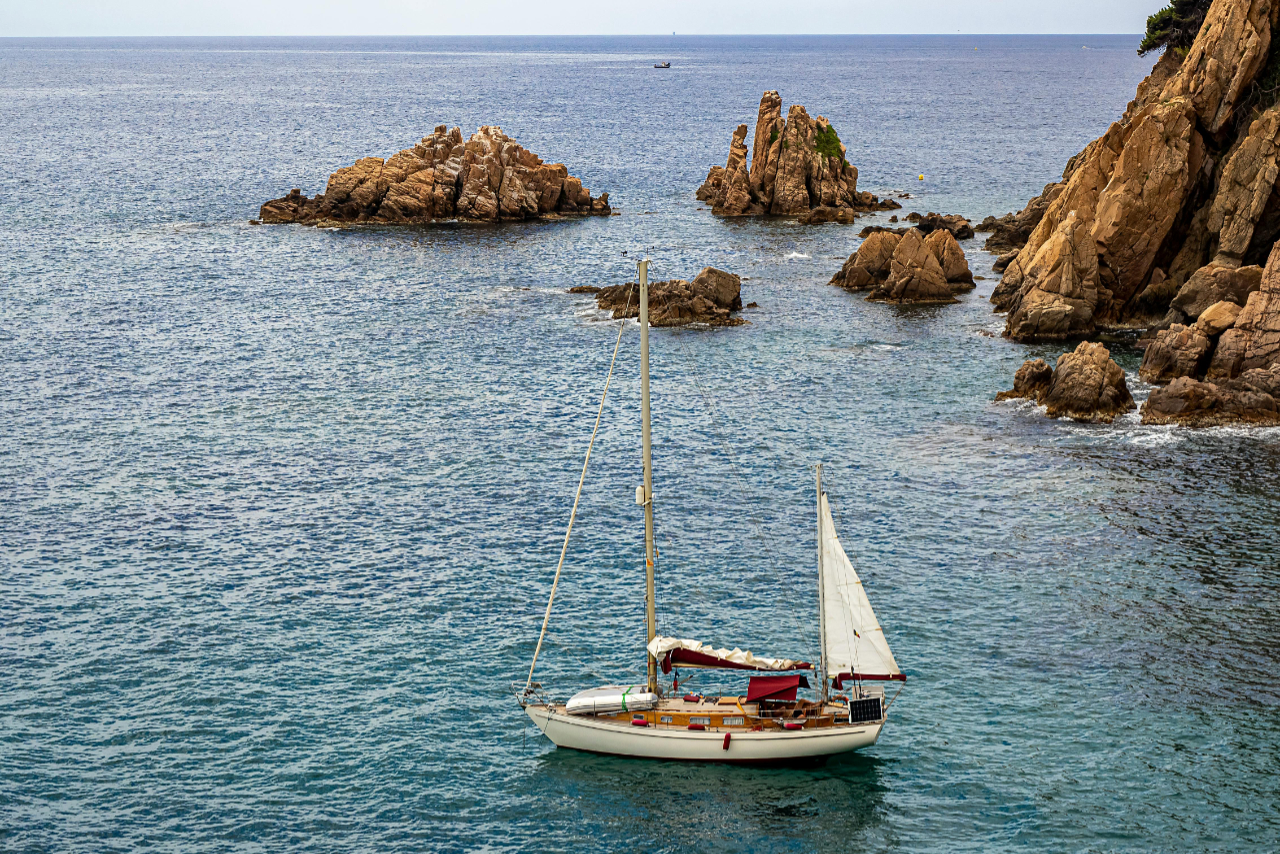
Discover Andalusia by yacht and sail between lively marinas, Moorish coastal cities, sunlit beaches, and traditional seafood towns where southern Spanish culture meets the Mediterranean and Atlantic.
Andalusia brings a warmer, more southern personality to sailing in Spain. Its coast stretches from the Mediterranean around Almería, Málaga, Marbella, Estepona, and Gibraltar to the Atlantic-facing Costa de la Luz near Cádiz and Huelva. Historically, the region carries Phoenician, Roman, Moorish, and Christian influences, visible in cities such as Málaga, Cádiz, Granada, Córdoba, and Seville. For yacht charter guests, Andalusia combines beach culture, marina life, white villages, flamenco, sherry, and the gateway between the Mediterranean and Atlantic.
The Costa del Sol is the most developed nautical area, with marinas such as Málaga, Benalmádena, Fuengirola, Marbella, Puerto Banús, Sotogrande, and Estepona. Málaga is an excellent starting point, offering an airport with strong international connections, the Alcazaba, Picasso Museum, restaurants, and a lively old town. Marbella and Puerto Banús suit guests looking for glamour, restaurants, beach clubs, and luxury marina services, while Nerja and the cliffs of Maro-Cerro Gordo offer more natural scenery to the east.
Sailing conditions vary significantly along this coast. Summer temperatures often range from 27°C to 34°C, and winds can be influenced by the Levante and Poniente, especially near the Strait of Gibraltar. The strait itself is a serious sailing area with strong currents, commercial traffic, acceleration zones, and fast-changing conditions, so it is best approached with experience or a professional skipper. Andalusian food is direct and generous: pescaíto frito, espetos de sardinas, gazpacho, salmorejo, ajoblanco, jamón ibérico, sherry from Jerez, and sweet Málaga wines. El Pimpi in Málaga, traditional chiringuitos along the beach, sherry bodegas in Jerez, and seafood restaurants in Cádiz make this region especially rewarding for guests who want sailing and culture in equal measure.
Galicia and the Rías Baixas
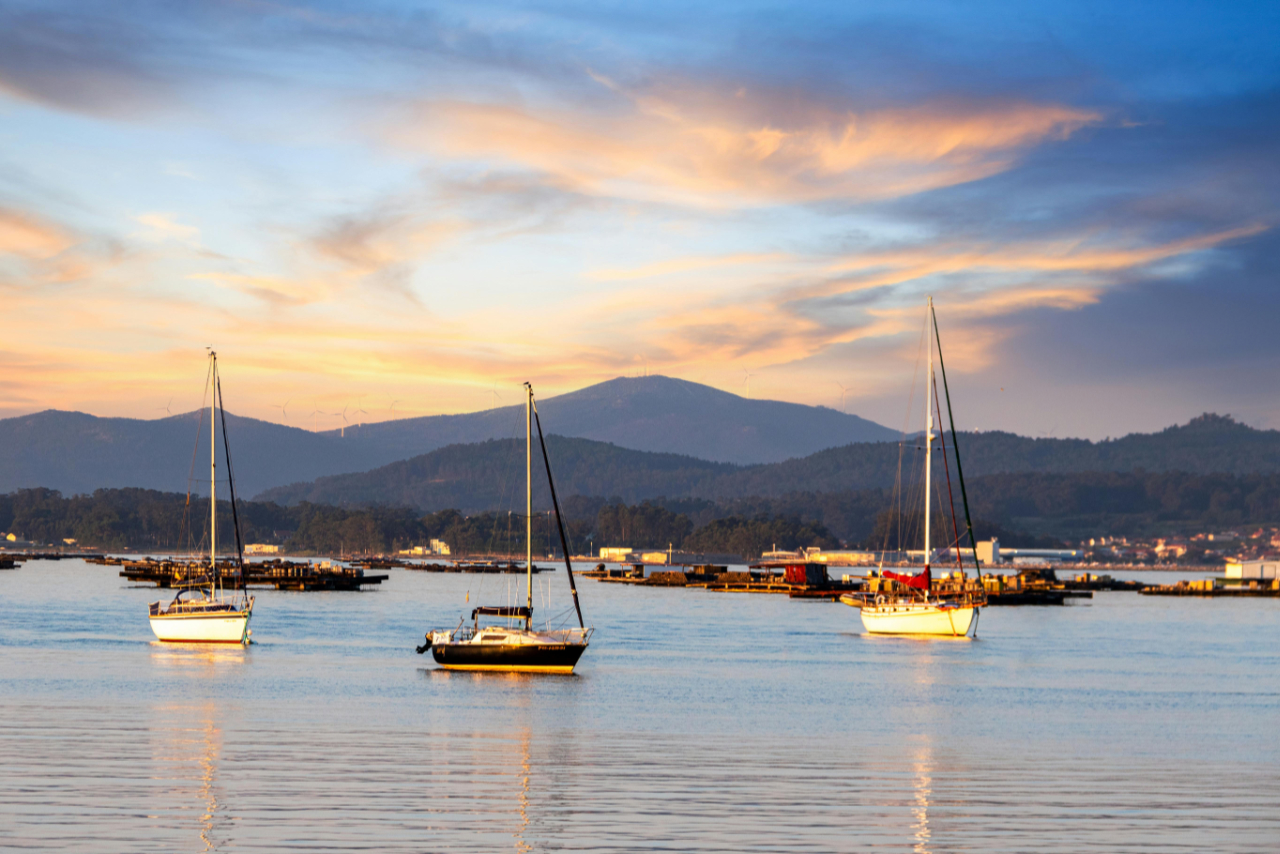
Discover Galicia by yacht and sail through Spain’s Atlantic northwest, where sheltered rías, historic fishing ports, exceptional seafood, and wild island landscapes create a distinctive and authentic sailing experience.
Galicia offers a completely different side of Spain, facing the Atlantic in the north-west of the country. It is greener, cooler, more rugged, and deeply connected to seafaring tradition. The Rías Baixas, including Ría de Vigo, Ría de Pontevedra, Ría de Arousa, and Ría de Muros e Noia, create protected estuary-like sailing waters with islands, fishing ports, beaches, vineyards, and some of the finest seafood in Europe. Historically, Galicia has been shaped by Celtic heritage, Roman routes, medieval pilgrimage, fishing, and Atlantic trade.
Key sailing areas include Vigo, Baiona, Combarro, Sanxenxo, Portonovo, Cambados, A Illa de Arousa, Muros, and the Cíes Islands. Baiona is historically significant as the first European port to receive news of Columbus’s return from the Americas, while Combarro is known for stone granaries along the waterfront. The Cíes Islands, part of the Atlantic Islands National Park, offer exceptional beaches and clear water, but access and anchoring are regulated and require advance planning.
The sailing season is generally best from June to September, with temperatures often between 20°C and 27°C. Conditions can be more Atlantic than Mediterranean, with fog, swell, tidal awareness, and fresh northerly winds. This makes Galicia appealing for sailors who value seamanship, nature, and less crowded cruising grounds. A sturdy sailing boat suits the region well, though a skippered option is sensible for guests unfamiliar with Atlantic conditions. Gastronomy is a central reason to come: pulpo a feira, percebes, mussels, scallops, empanada gallega, Albariño from Rías Baixas wineries, and seafood restaurants in O Grove, Cambados, Vigo, and Baiona make every stop feel connected to the sea.
Canary Islands: Year-Round Atlantic Sailing
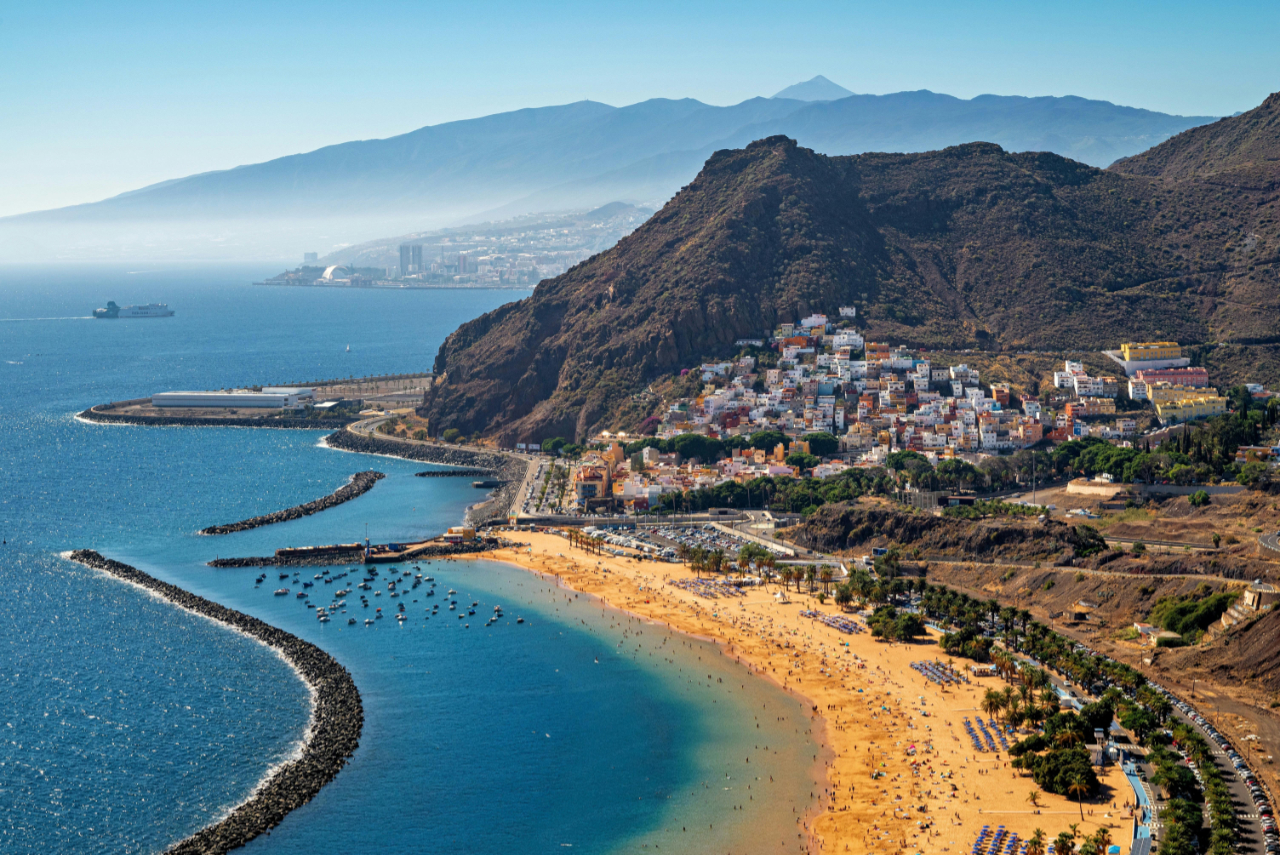
Discover the Canary Islands by yacht and sail between volcanic landscapes, lively harbours, and sunlit Atlantic waters where steady winds and dramatic island scenery create one of Spain’s most distinctive sailing experiences.
The Canary Islands sit in the Atlantic Ocean off the north-west coast of Africa and offer Spain’s most distinctive year-round sailing destination. Tenerife, Gran Canaria, Lanzarote, Fuerteventura, La Gomera, La Palma, and El Hierro are volcanic islands with dramatic cliffs, black-sand beaches, lunar landscapes, trade-wind sailing, and a strong maritime history. The islands were important Atlantic stepping stones for explorers, merchants, and transoceanic routes, giving them a nautical character unlike mainland Spain.
Charter bases and marinas include Las Palmas de Gran Canaria, Marina del Sur in Tenerife, Santa Cruz de Tenerife, Marina Rubicón in Lanzarote, Caleta de Fuste in Fuerteventura, and ports around La Gomera and La Palma. Lanzarote offers volcanic landscapes, Timanfaya National Park, La Graciosa, and César Manrique’s artistic legacy. Tenerife combines Mount Teide, cliffs at Los Gigantes, and lively harbours. Gran Canaria has Las Palmas, beaches, strong marine services, and excellent access. La Gomera and La Palma feel greener and more remote, while Fuerteventura is known for wind, beaches, and open horizons.
Sailing conditions in the Canaries are more oceanic and demanding than most Mediterranean cruising grounds. Temperatures are mild year-round, often between 20°C and 28°C, but the north-east trade winds can be strong, and acceleration zones between islands require careful planning. Swell, Atlantic weather systems, and longer inter-island passages make this region best for experienced sailors or guests booking a crewed yacht charter. For active crews, however, the Canaries offer excellent sailing, dramatic scenery, and the possibility of a winter yacht charter when much of Europe is out of season.
Local cuisine reflects island agriculture, fishing, and Atlantic identity. Papas arrugadas with mojo, gofio, grilled fish, goat cheese, almogrote from La Gomera, Malvasía wines from Lanzarote, and volcanic-soil wines from Tenerife are all worth seeking out. La Tegala in Lanzarote, seafood restaurants in La Graciosa, traditional guachinches in Tenerife, and market halls in Las Palmas provide memorable gastronomic stops. What makes the Canaries special for yacht charter guests is the combination of reliable wind, unusual geology, year-round climate, and true offshore atmosphere within Spanish waters.
Practical Yacht Charter Information for Spain
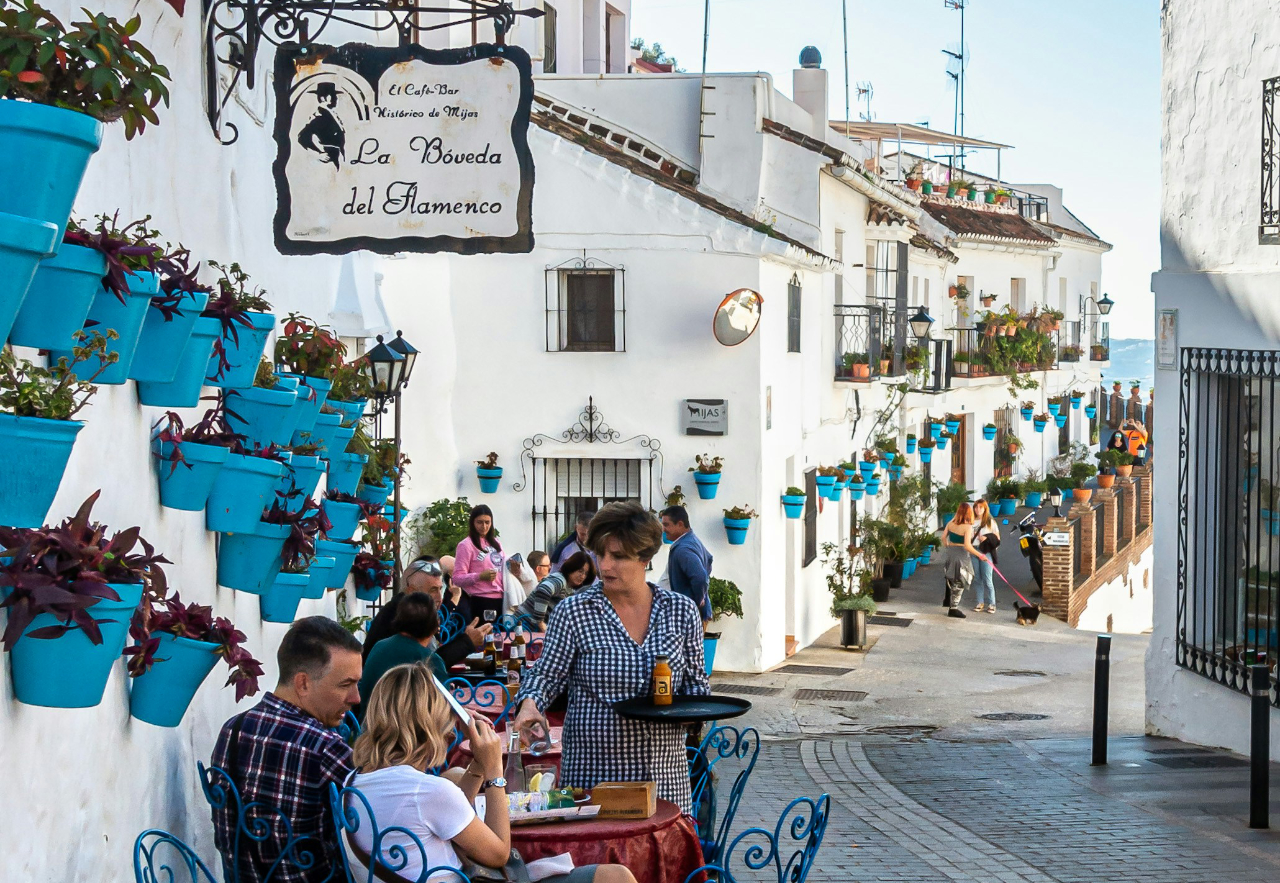
Discover sailing in Spain and explore a diverse coastline of island archipelagos, vibrant harbour cities, clear anchorages, and authentic Mediterranean culture from the comfort of your yacht.
Spain is exceptionally well connected for international yacht charter guests. Palma de Mallorca, Ibiza, Menorca, Barcelona, Valencia, Alicante, Málaga, Seville, Jerez, Vigo, Tenerife, Gran Canaria, Lanzarote, and Fuerteventura all serve important sailing regions. In the Balearics, most guests fly into Palma, Ibiza, or Mahón. For mainland cruising, Barcelona, Valencia, Alicante, Málaga, and Vigo are particularly convenient. The Canary Islands have several international airports, making winter sailing practical and accessible.
Main charter bases include Palma, Port d’Andratx, Alcúdia, Mahón, Ibiza Town, Sant Antoni, La Savina, Barcelona, Port Ginesta, Palamós, Roses, Dénia, Valencia, Alicante, Cartagena, Málaga, Marbella, Sotogrande, Vigo, Baiona, Las Palmas, Tenerife, and Marina Rubicón. Marina reservations are recommended in peak summer, especially in the Balearics, Costa Brava, Marbella, and smaller island harbours. Protected natural parks such as Cabrera, the Medes Islands, the Cíes Islands, and La Graciosa may require permits or careful anchoring compliance.
- June and September are the best overall months for Mediterranean sailing in Spain, offering warm weather, manageable crowds, and good swimming conditions.
- July and August are ideal for lively harbours and warm seas, but early booking is essential, especially in Mallorca, Ibiza, Formentera, and Menorca.
- May and October suit experienced crews looking for quieter routes, although weather can be less predictable.
- The Canary Islands are suitable for sailing throughout the year, with winter especially attractive for sailors seeking mild temperatures and steady wind.
Provisioning is easy in most Spanish charter bases. Larger supermarkets are useful for water, dry goods, and heavy items, while local markets are best for fresh fish, fruit, vegetables, cheese, cured meats, wine, and regional products. In island destinations, it is wise to stock up before visiting remote anchorages, as small shops can have limited selection. Restaurant reservations are recommended in high season, particularly in Ibiza, Formentera, Mallorca, Marbella, Cadaqués, and popular beach restaurants.
Local etiquette is relaxed but respectful. Dinner is often later than in northern Europe, marina offices may observe afternoon breaks, and Spanish coastal towns can be busy in August when local holidays are at their peak. In marine reserves, anchoring on seagrass is often forbidden, and yacht guests should always follow mooring rules, speed limits, waste regulations, and tender restrictions. A local skipper can add real value where permits, weather, mooring fields, or busy harbours require daily judgement.
Choosing the Right Yacht Charter Style in Spain
The best yacht for sailing in Spain depends on the region and the type of holiday. A monohull sailing yacht is well suited to guests who enjoy authentic sailing, responsive handling, and longer passages in areas such as Galicia, the Costa Brava, or the Canaries. A comfortable sailing boat also works beautifully for coastal itineraries where the journey itself is part of the pleasure.
A catamaran charter is especially attractive in the Balearic Islands, where space, stability, and shallow-water comfort are ideal for families and groups. For guests who want to visit multiple beach clubs, towns, or islands in a limited time, a motorboat charter offers speed and flexibility. A power catamaran charter can be an excellent alternative for those who want generous living space and efficient cruising without relying on wind.
Experienced sailors may enjoy the independence of a bareboat yacht charter, particularly in familiar Mediterranean waters and well-served marina networks. Guests who prefer local insight, smoother logistics, and a more relaxed pace often choose a skippered yacht charter. For the highest level of comfort, a crewed yacht charter provides tailored service, professional navigation, and a more refined holiday experience, especially in the Balearics, Andalusia, and the Canary Islands.
Why Sailing in Spain Is So Rewarding
Sailing in Spain is remarkable because no two regions feel the same. The Balearic Islands offer turquoise anchorages and polished Mediterranean style. Catalonia brings rugged cliffs, art, and seafood villages. Valencia and the Costa Blanca combine easy access with warm cruising and rich rice traditions. Andalusia adds Moorish history, flamenco, sherry, and the drama of the Strait of Gibraltar. Galicia offers Atlantic character and exceptional seafood, while the Canary Islands provide volcanic landscapes and year-round sailing conditions.
A Yacht Charter Spain holiday is not only about beaches and marinas. It is about entering Palma beneath its cathedral, anchoring off Formentera in clear shallow water, tasting prawns in Palamós, crossing towards Dénia at sunrise, hearing flamenco after a day along the Costa del Sol, or sailing under the trade winds between volcanic islands. With the right yacht, route, and local guidance, Spain becomes one of the most complete and rewarding yacht charter destinations in Europe.
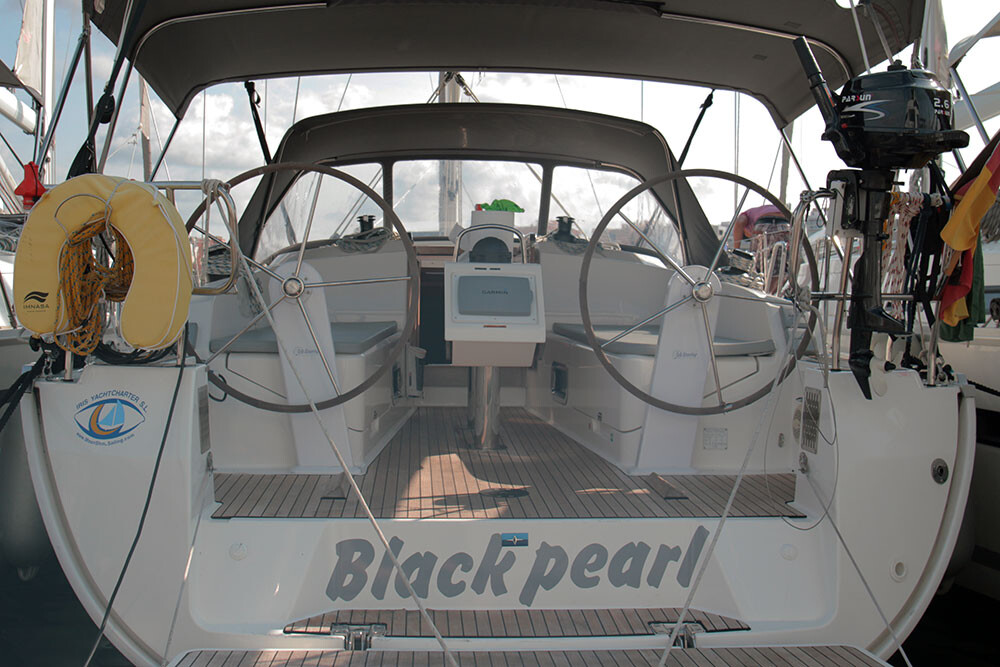
Arenal/Playa de Palma | Spain
- Length 11.30 m
- Cabins 3
- Berths 6+2
- Year 2014
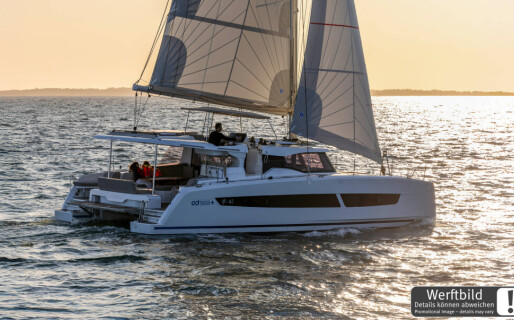
Mallorca, Can Pastilla | Spain
- Length 12.10 m
- Cabins 3
- Berths 6+2
- Year 2026
Palma de Mallorca, Marina Navier | Spain
- Length 14.05 m
- Cabins 4
- Berths 8+2
- Year 2013
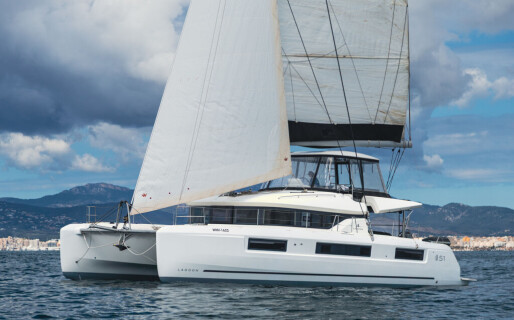
Mallorca, Can Pastilla | Spain
- Length 15.35 m
- Cabins 4
- Berths 8+1+1
- Year 2023
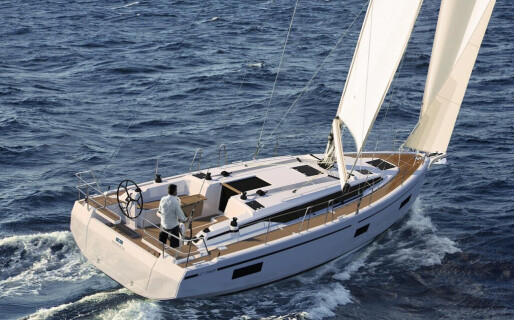
Palma de Mallorca, Marina Navier | Spain
- Length 11.31 m
- Cabins 3
- Berths 6
- Year 2023
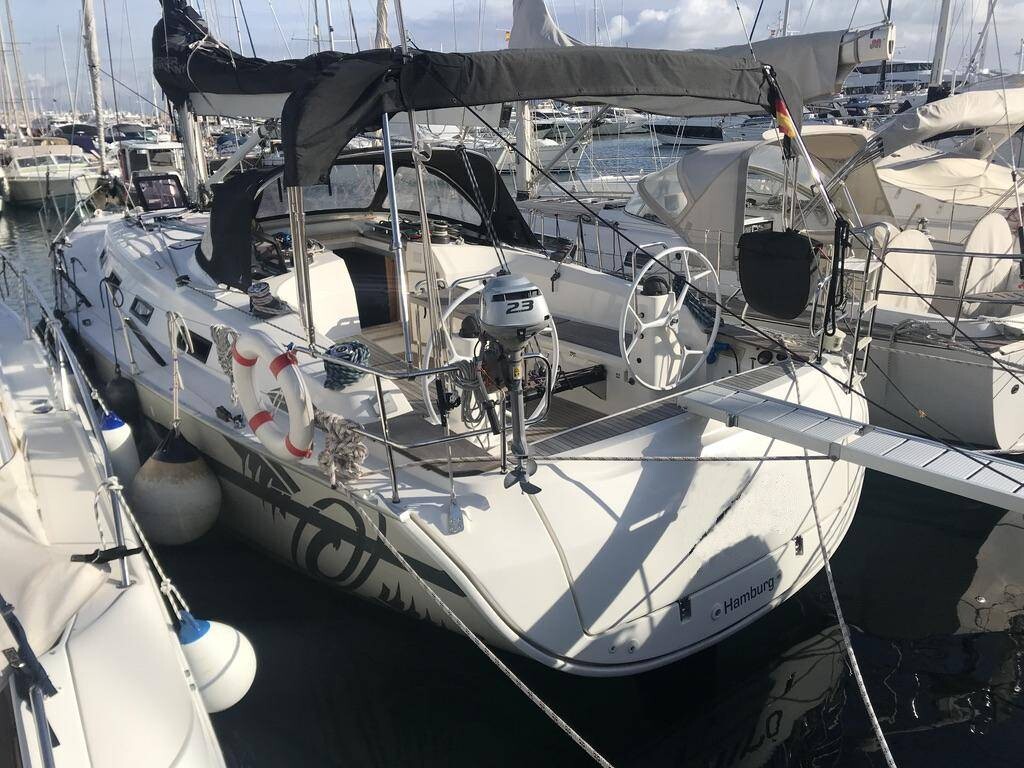
Palma de Mallorca, La Lonja | Spain
- Length 12.35 m
- Cabins 3
- Berths 6
- Year 2013
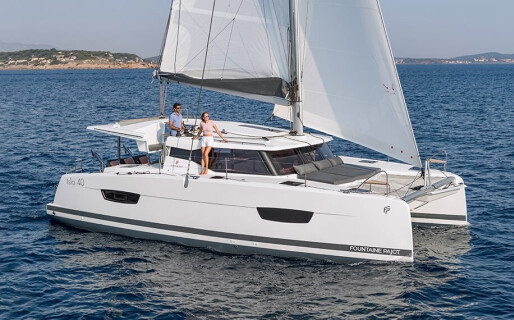
Mallorca, Can Pastilla | Spain
- Length 11.93 m
- Cabins 4
- Berths 8+2+1
- Year 2023
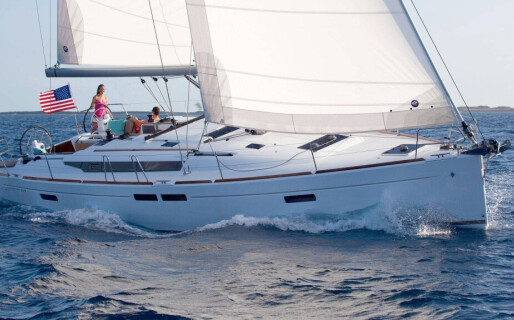
Palma de Mallorca, Marina Navier | Spain
- Length 14.43 m
- Cabins 4
- Berths 8+2
- Year 2018