

Routes in Turkey that skirt the summer heat
Turkey’s Aegean and Mediterranean coasts can become intensely hot during July and August, especially in crowded cities and at exposed archaeological sites. A carefully planned sailing route offers a more comfortable alternative. Sea breezes, shaded coves and regular swimming stops make the hottest part of summer easier to enjoy, while early departures leave time for exploring historic towns before afternoon temperatures peak.
Bodrum to the Gulf of Gökova
Bodrum is a convenient starting point for a sailing holiday in Turkey, with established marinas, a lively waterfront and easy access to the southern Aegean. Rather than remaining in the busy city, yachts can head east into the Gulf of Gökova, where forested hills and sheltered bays create a calmer setting.
Stops around Orak Island, Çökertme and the Seven Islands provide clear water for swimming and plenty of quiet anchorages. Many bays are surrounded by pine-covered slopes, offering a greener and less urban atmosphere than the major resorts.
The best way to manage the heat is to leave Bodrum early in the day, sail while conditions are comfortable and anchor before lunchtime. Afternoons can then be spent in the sea or beneath the yacht’s shaded deck. Evening visits to a coastal village offer a chance to dine ashore once the temperature has dropped.
Datça and the quieter side of the peninsula
The Datça Peninsula stretches between the Aegean and Mediterranean seas, creating a breezy landscape known for its dry air, rugged coastline and uncrowded beaches. Northern summer winds often provide welcome relief, although sailing conditions should always be checked before departure.
A route from Bodrum or Marmaris can include Palamutbükü, Hayıtbükü, Ovabükü and Datça town. Each place has its own character, from long pebble beaches to small waterfront restaurants and peaceful village streets.
At the western end of the peninsula stands Knidos, an ancient city situated where two seas meet. Arriving by yacht makes it possible to explore the ruins early in the morning or late in the afternoon, avoiding the strongest sun. The view across the water is particularly striking near sunset, when the stone remains and surrounding hills take on warmer colours.
Marmaris to Bozburun and Selimiye
Marmaris is one of Turkey’s best-known tourist centres, but the nearby Bozburun Peninsula feels considerably more secluded. Sailing southwest leads away from large hotels and busy beaches towards traditional boatbuilding communities, narrow inlets and mountain-backed anchorages.
Possible stops include Kumlubük, Bozukkale, Bozburun and Selimiye. Bozukkale is especially memorable for its ancient fortress walls and protected harbour. Selimiye offers a relaxed atmosphere, with restaurants arranged along the waterfront and hills sheltering the bay.
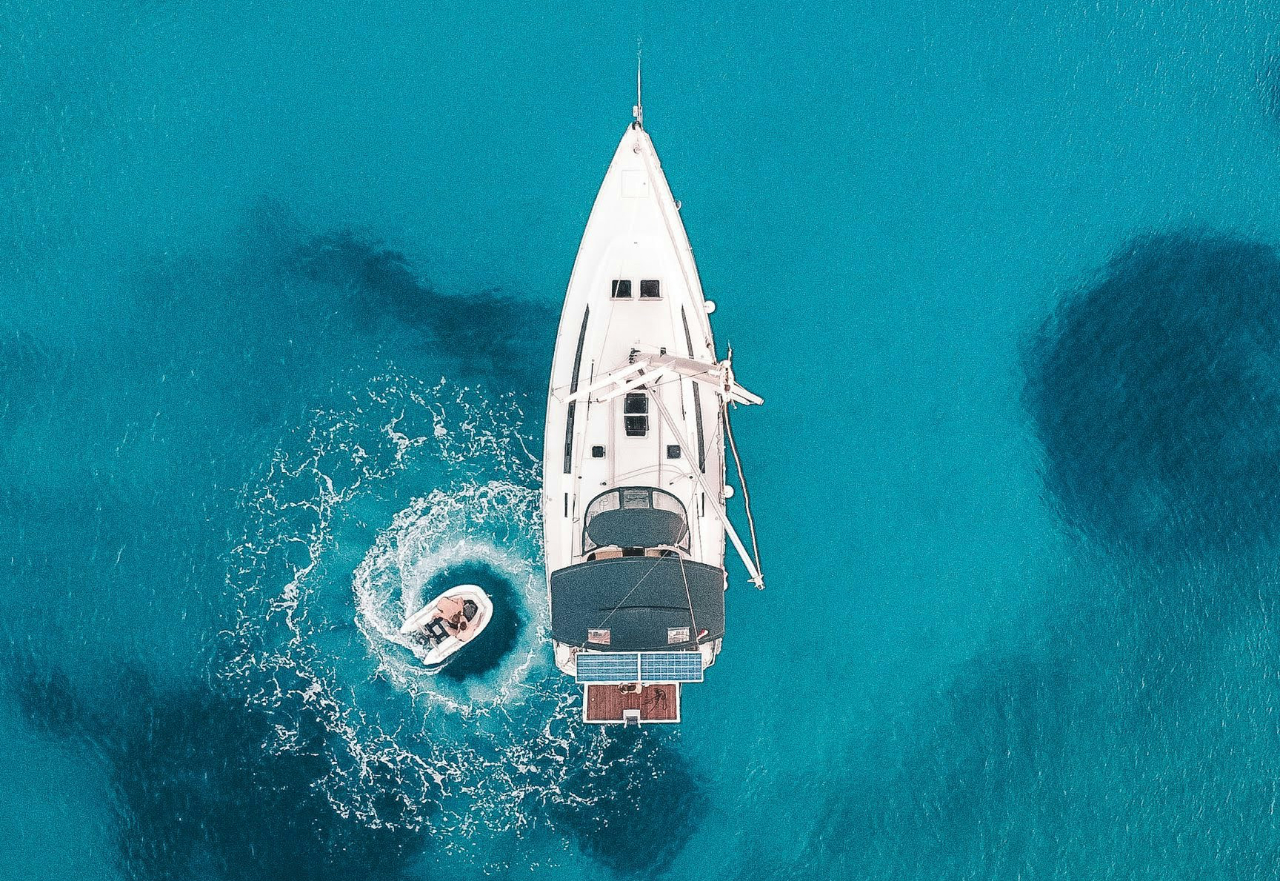
This route suits travellers who value slow mornings and short daily sailing distances. Less time in transit means more opportunities to swim, rest and explore after sunset. A gulet or catamaran is particularly comfortable here because its generous deck space supports outdoor living without sacrificing shade, although the choice between a catamaran or monohull depends on each group’s preferences.
Göcek and the islands of Fethiye Bay
Göcek is an excellent base for a heat-conscious summer trip. Its surrounding islands and deeply indented coastline create numerous sheltered places to stop, reducing the need for long passages in direct sunlight.
A typical route may connect Yassıca Islands, Tersane Island, Bedri Rahmi Bay and Sarsala Cove. Distances are manageable, the water is usually inviting, and pine forests reach close to the shoreline in many locations. The landscape creates a sense of isolation even when Göcek town remains within easy reach.
The journey can continue towards Fethiye, where travellers can combine time at sea with an evening walk through the town. For a quieter experience, it is often better to stay in a bay and visit Fethiye for only part of the day rather than booking a hotel in the busy centre during a peak summer month.
Kaş to Kekova
The route from Kaş towards Kekova combines dramatic Mediterranean scenery with layers of Lycian and Byzantine history. Kaş itself is a charming coastal town, but its exposed streets can feel hot at midday. Departing by boat provides immediate access to cooling water and less crowded bays.
Sailing east can include Limanağzı, Aperlai, Üçağız, Kaleköy and Kekova Island. Near Kekova, the remains of an ancient settlement can be seen beneath and beside the water. Navigation and swimming restrictions apply in protected archaeological areas, so local rules must be respected.
Kaleköy, associated with ancient Simena, can be reached by sea or on foot. Its hillside castle rewards visitors with a broad view across the region, but the climb is most pleasant in the morning or near sunset.
Whichever route is chosen, summer comfort depends on timing and an understanding of Mediterranean mooring types. Sailing early, anchoring during the hottest hours and exploring towns in the evening turn Turkey’s warmest season into a journey shaped by the sea rather than the temperature.