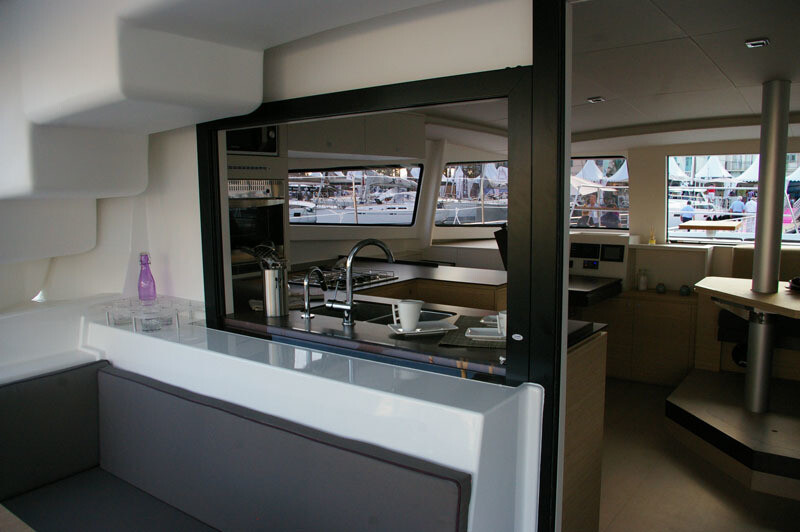

Luxury boat rentals explained: What you really get
Luxury boat rentals give you a private place to stay, a way to explore the coast, and a holiday shaped around your preferences. Yet the word “luxury” does not describe one standard package. A spacious catamaran with a skipper offers a different experience from a fully crewed motor yacht with a chef and dedicated guest service.
What you receive depends on the vessel, crew, equipment, and charter terms—not simply the photographs or advertised rate. Understanding those differences makes it easier to recognise what suits your holiday.
What makes a yacht charter luxurious?
Luxury on the water is partly about surroundings: comfortable cabins, inviting outdoor spaces, and room to relax without sharing facilities with strangers. Just as important is how smoothly the day unfolds.
On a fully crewed yacht, the captain handles navigation while other crew members manage duties according to their roles. These may include preparing meals, maintaining cabins, serving drinks, and helping guests use onboard equipment.
A skippered charter is different. The skipper generally takes responsibility for operating the boat, but cooking and housekeeping should not be assumed unless separately arranged. A high-quality vessel does not automatically come with full-service hospitality.
The boat determines your everyday comfort
Size matters, but layout often matters more. Two yachts of similar length can offer very different cabin arrangements, dining areas, and access to the water.
A motor yacht may appeal to guests who want to cover more distance between stops. A sailing yacht makes sailing itself part of the experience. Catamarans often offer generous shared spaces, while gulets can provide a relaxed setting for group holidays.
Look beyond the headline guest capacity. Confirm how many cabins have double or twin beds, whether bathrooms are private, and where the crew sleeps. Air conditioning, shaded seating, and accessible boarding arrangements can influence daily comfort more than decorative finishes.
The yacht’s build year is only part of the picture. Maintenance, refits, and the condition of furnishings and equipment also deserve attention.
What the charter price actually covers
The advertised yacht charter rate is not always the total holiday cost. Depending on the agreement, it may cover the vessel and crew while leaving operating expenses separate.
Before comparing offers, identify these categories:
- Base charter fee: The rental charge and any services specifically included.
- Operating expenses: These may include fuel, guest food and drinks, marina fees, and other trip-related spending.
- Additional charges: Applicable taxes, transfers, special equipment, or optional experiences.
- Deposits and gratuities: Their treatment should be clearly explained in the booking terms.
Some crewed charters use an advance provisioning allowance, or APA, to fund operating expenses. This is an advance against spending, not another name for an all-inclusive package. Confirm how expenditure is recorded, how unused funds are returned, and what happens if costs exceed the allowance.
Season, destination, vessel type, and trip length all influence price. A day charter and a week-long rental may also include different services, so headline rates alone are a poor basis for comparison.
Personalised food and service
A charter with a chef can make dining a central part of the holiday. Preferences shared before departure help shape menus, meal times, and provisioning.
That might mean light breakfasts before swimming, leisurely lunches on deck, or dinners featuring local ingredients. Dietary requirements and allergies need advance discussion, including confirmation of what the onboard kitchen can accommodate.
Personalisation also extends beyond food. Some guests prefer attentive service throughout the day; others value privacy and minimal interruption. Explaining those expectations helps the crew understand the atmosphere you want.
Water sports and destinations: What remains flexible?
Paddleboards, snorkelling equipment, kayaks, and motorised water toys may be available, but the inventory varies by yacht. Equipment shown in promotional images should be confirmed for your booking, along with any extra charges, supervision requirements, or restrictions.
The same principle applies to the itinerary. A private charter offers flexibility, but weather, sea conditions, distances, and berth availability affect where you can go. The captain may adjust plans to keep the journey safe and comfortable.
A destination-rich itinerary can sound appealing while leaving little time to enjoy each stop. Shorter passages may create more space for swimming, meals ashore, and unhurried afternoons at anchor.
How an agency shapes the experience
An agency such as Scan2Sail can help match your group with a vessel, destination, and service level. The useful detail lies in the proposal: the named boat, cabin layout, crew roles, equipment, inclusions, and estimated additional costs.
For a family, luxury might mean shaded decks and easy water access. For friends, it could be sociable dining and room for activities. For a couple, privacy and quiet anchorages may matter most. The right charter brings those priorities into the everyday rhythm of life onboard.